





What is Sparkling Water
Sparkling water, also called *carbonated water*, is that which contains dissolved carbon dioxide (CO₂). This characteristic, beyond the refreshing bubbles, defines its texture, minerality, and flavor. Depending on its origin, it can be naturally carbonated water—springing from the ground already with gas—or artificially carbonated water, to which CO₂ is injected during bottling.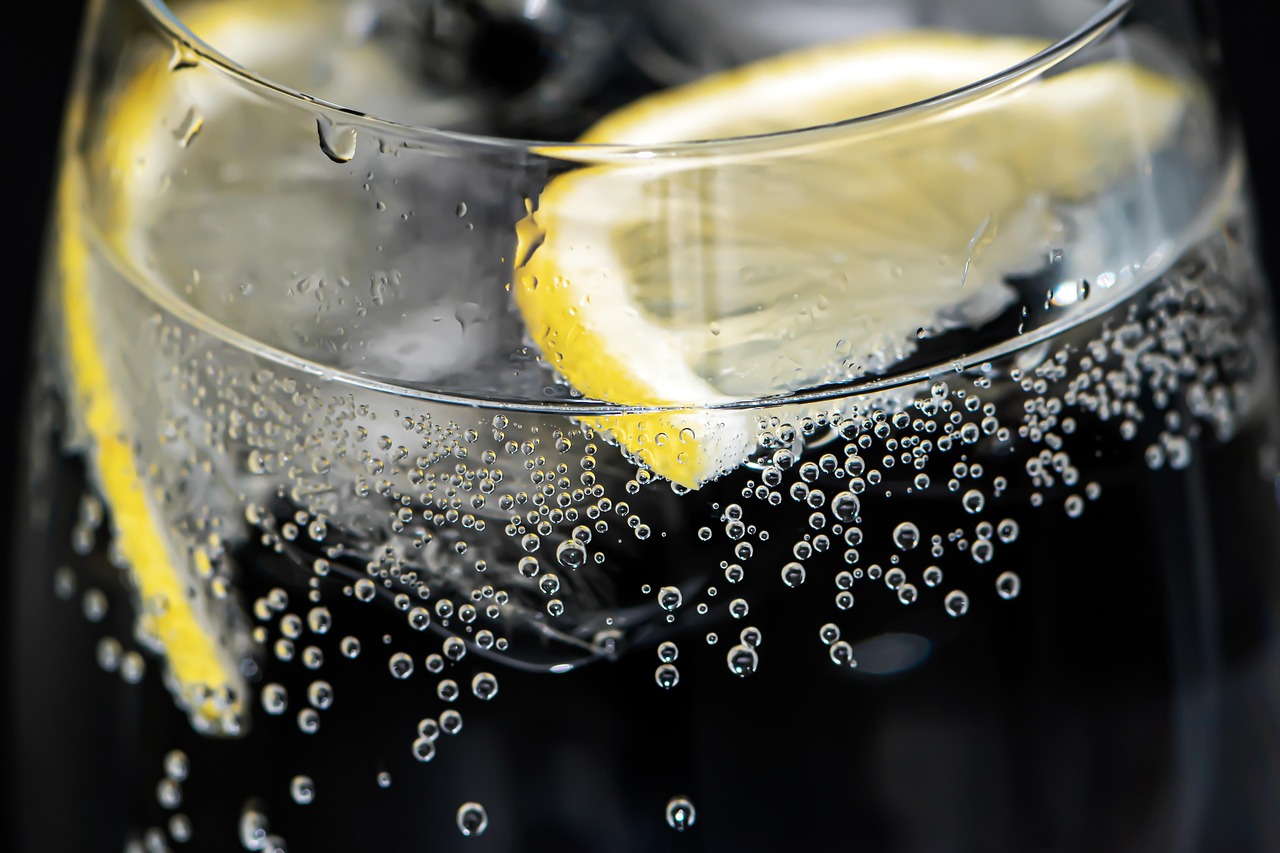
In the gourmet world, this difference marks a before and after in quality. Naturally carbonated waters come from specific springs, where the gas dissolves spontaneously due to geological pressure. The result: a fine bubble, integrated and a more balanced mineral profile.
First Data on the Use of Sparkling Water
Natural sparkling water has accompanied human beings since antiquity. Greek and Roman civilizations already valued bubbling springs for their digestive effects and “healing” nature. In the 18th century, the chemist Joseph Priestley managed to reproduce the phenomenon in the laboratory, giving rise to the first modern *sodas*.From that moment on, sparkling water went from being a medicinal resource to a sophisticated drink, associated with fine dining and well-being.
Types of Carbonation: Natural vs Artificial
Natural carbonation occurs when groundwater comes into contact with CO₂ deposits and rises already carbonated. It originates in springs rich in CO₂ and is characterized by having fine bubbles, mineral flavor, and a unique geological origin. Artificial carbonation, on the other hand, uses mineral or purified water to which CO₂ is injected during bottling. It is characterized by larger bubbles, neutral flavor, and lower minerality.Both types are safe, but the natural versions retain a more authentic identity, highly valued by chefs and sommeliers.
Natural Carbonated Water in the Caucasus Region and its Popularity in the Russian Empire
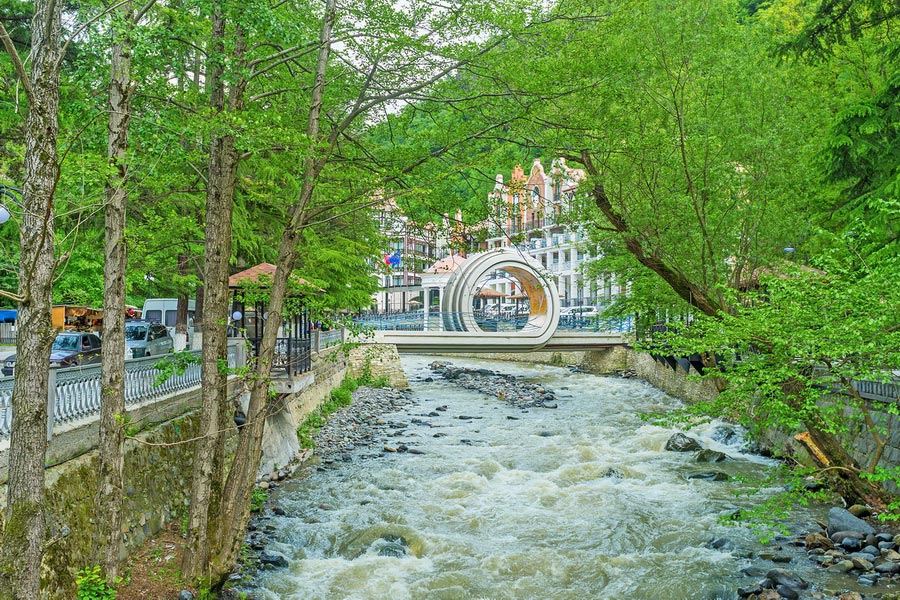
The Caucasus is one of the most emblematic regions in the world for its naturally carbonated springs. Between Georgia, Armenia, and Azerbaijan, deep aquifers rich in CO₂ extend, formed by ancient volcanic areas. During the Russian Empire, the water from these sources became famous for its digestive properties and mineral flavor.
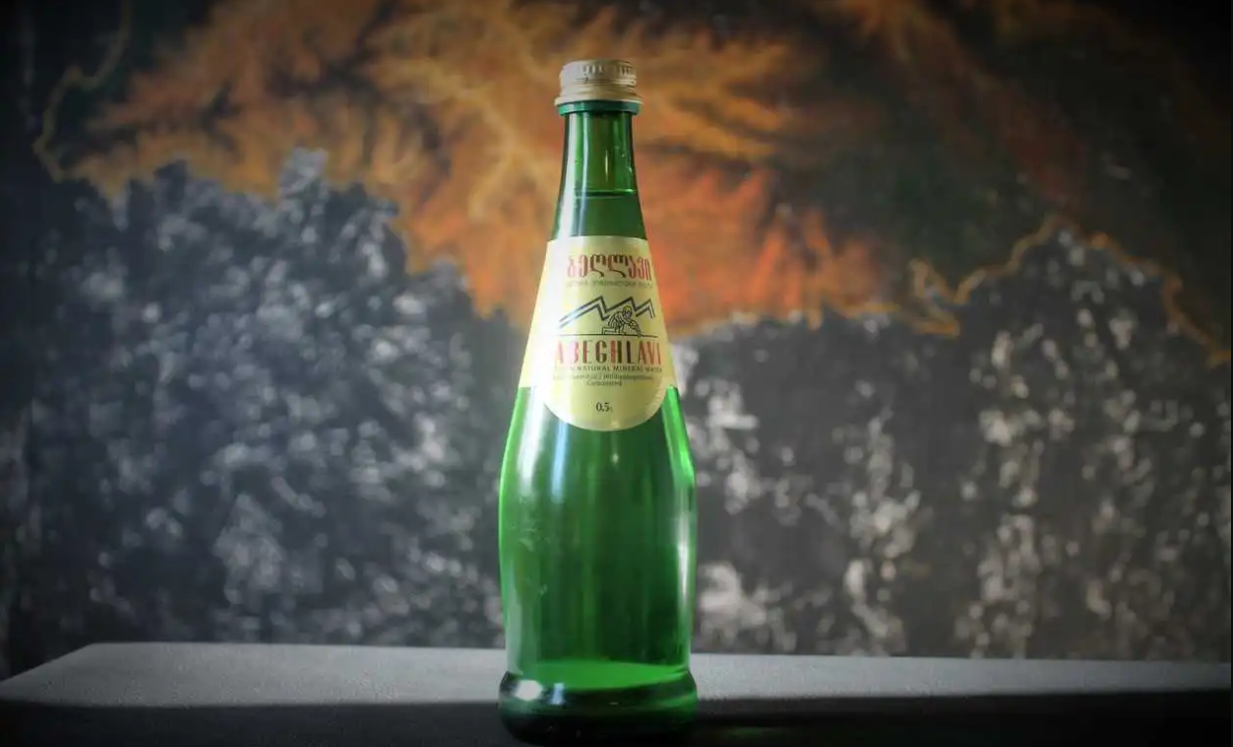
Legendary brands like Borjomi, Nabeghlavi, or Essentuki originated from these springs, each with its mineral composition and therapeutic reputation. In the Russian spas of the 19th century, these waters were synonymous with health and refinement.
To this day, Georgia remains a global benchmark in naturally carbonated waters, appreciated for their purity and balance.
Health Benefits of Natural Carbonated Water
Natural carbonated water not only refreshes: it can also provide digestive benefits and essential minerals.- Bicarbonates: help neutralize stomach acidity.
- Magnesium and calcium: contribute to cellular hydration and mineral balance.
- Natural bubble: stimulates salivation, enhances flavors, and reduces the feeling of heaviness.
Replacing sugary drinks with natural sparkling water is a simple way to improve metabolic health without giving up the pleasure of a textured beverage.

Leading Brands in Paraguay
In Paraguay, the consumption of sparkling water has become increasingly common. Among the most well-known brands are Gond Wana, Seltz, San Pellegrino, Acqua Panna, and Dasani. All of them use artificial carbonation, that is, CO₂ added during the bottling process.Although they do not come from naturally carbonated springs, their presence in the Paraguayan market boosts the category of premium sparkling water and educates consumers about the differences in quality and origin.
Conclusion
The world of sparkling water is as vast as that of wine or coffee: each spring has its history, minerality, and character. At Gades Imports, we explore the origins and curiosities of gourmet products that connect flavor, health, and culture.👉 Visit our blog to discover more about foods and beverages with history, quality, and character.